The Independent Uganda: You get the Truth we Pay the Price


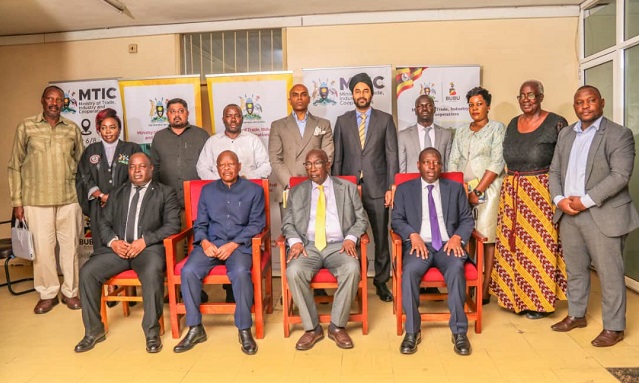
Kampala, Uganda | Julius Businge | Uganda officially inaugurated its first Sugar Industry Stakeholder Council as part of efforts to strengthen governance, enhance productivity, and regulate the nation’s sugar sector. The ceremony, held at the Ministry of Trade, Industry and Cooperatives on Oct.23, followed the enactment of the Sugar (Amendment) Act No. 6 of 2025, which establishes the council as a corporate body with legal authority to oversee the sector.
Francis Mwebesa, Minister of Trade, Industry and Cooperatives, emphasized that the council, composed of a chairperson, four representatives of sugarcane out-growers, three millers, and key government officials from the Ministries of Finance, Agriculture, and Industry, is tasked with shaping the future of Uganda’s sugar industry. Its mandate includes licensing and expansion oversight, development of a sugar industry master plan, promotion of fair pricing mechanisms, market optimization, dispute resolution, and the adoption of innovative technologies.
Cabinet approved the appointment of the council’s eleven members on October 6, 2025, with an official tenure of two years. Mwebesa said the Ministry will organize an induction for members within two weeks to align the council’s operations with national development goals and strengthen overall governance in the sector.
David Bahati, Minister of State for Trade, Industry and Cooperatives (Industry), highlighted the economic significance of the sugar industry, which currently produces 700,000 metric tons annually, with 450,000 tons consumed domestically and 250,000 tons exported. He noted that the sector directly employs 20,000 people and provides indirect employment to over 150,000, contributing approximately Shs500 billion in tax revenue and accounting for 5% of Uganda’s GDP.
Officials stressed the need to prioritize stalled projects, validate licenses, and ensure competitive practices while preventing monopolistic tendencies. Bahati explained that regulations governing the council had already been laid before Parliament and that the Ministry will report to Cabinet every three months on the council’s progress in driving growth, protecting economic gains, and implementing the government’s broader industrialization agenda.
The inauguration marks a critical milestone in Uganda’s industrial development, positioning the sugar sector to expand production, enhance value addition, and strengthen both domestic and export markets.