 The Independent Uganda: You get the Truth we Pay the Price


Community Activist Lanie Banks Joins Landmark Celebrations Marking Six Years of Impact
Tororo, Uganda | THE INDEPENDENT | The Start Awareness Support Action (SASA) project, a flagship community-driven initiative aimed at combating gender-based violence, has officially concluded after six years of sustained impact across Eastern Uganda. Running from 2020 to April 2026, the project has been widely recognized as a success, particularly in Tororo District, where it significantly contributed to reducing cases of domestic violence and promoting gender equality.
According to reports presented during the celebrations, the project reached approximately 50,000 people across the region. Beneficiaries cited improved family relationships, increased reporting of abuse, and greater access to support services as some of the most significant outcomes. The initiative also contributed to reducing stigma associated with HIV/AIDS and addressing issues such as child labor and violence against women and girls.
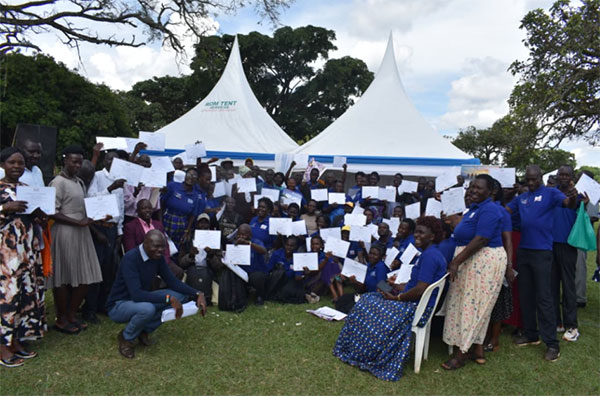
The project’s sunset celebrations were held over two days: in Nagongera Sub-county on April 26 and Mukuju Sub-county on April 27, drawing a wide range of stakeholders. In attendance were community leaders, grassroots activists, community development officers, local government officials, and representatives from partner organizations.
Area representative Peace Nabudua praised the collective efforts that defined the SASA project. She emphasized that the initiative had not only reduced gender-based violence but had also strengthened community cohesion and accountability.
“The SASA project has shown us that meaningful change begins within the community,” Nabudua stated. “Through awareness, support, and action, we have seen families rebuild trust, reduce conflict, and embrace equality in ways that were once thought difficult.”
A major highlight of the event was the recognition and appreciation of individuals who played key roles in the project’s success. Certificates were awarded to active community leaders and activists who championed behavioral change at the grassroots level. In addition, community development officers received special accolades for their dedication and leadership in implementing programs and supporting vulnerable households.
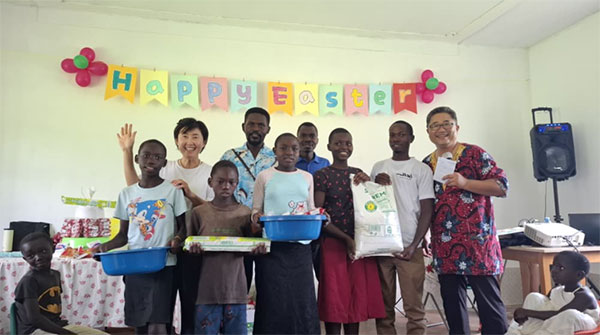
Community activist Lanie Banks, one of the notable attendees, commended the people of Tororo for their cooperation and commitment throughout the project period. She highlighted the importance of maintaining the momentum built over the years.
“What we are witnessing here is a powerful example of what unity and purpose can achieve,” Banks remarked. “The community has embraced change, challenged harmful norms, and worked together to create safer homes. This must continue beyond the life of the project.”
The SASA project focused on addressing the root causes of gender-based violence, including unequal power dynamics, harmful cultural practices, and lack of awareness. Through community dialogues, training sessions, and advocacy campaigns, the initiative encouraged open conversations around respect, equality, and shared responsibility within households.
Implemented by the Uganda Network on Law, Ethics and HIV/AIDS (UGANET), the project was supported by several key partners, including UN Women, Raising Voices, the Spotlight Initiative, and the Government of Uganda. This multi-stakeholder approach ensured that interventions were both comprehensive and sustainable.
Local leaders further noted a positive shift in attitudes, particularly among men and boys, who became more actively involved in promoting gender equality and preventing violence. This change in mindset has been described as one of the most lasting achievements of the SASA project.
Despite the conclusion of the initiative, stakeholders emphasized the importance of sustaining its impact. Community leaders called for continued collaboration between local authorities, civil society organizations, and residents to ensure that the progress made is preserved and expanded.
“The end of the SASA project is not the end of our journey,” Nabudua added. “We must continue to stand together, support one another, and uphold the values we have learned to ensure lasting peace in our communities.”
She said the SASA project leaves behind a legacy of empowerment, resilience, and transformation—serving as a model for future interventions aimed at building safer, more equitable communities across Uganda.

Lanie Banks forever