The Independent Uganda: You get the Truth we Pay the Price


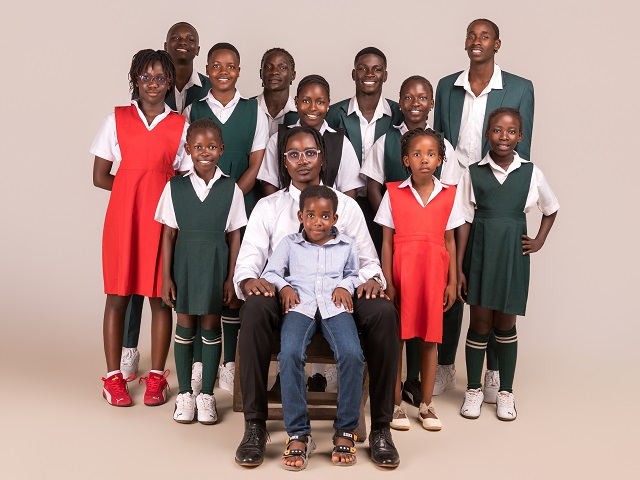
Masaka, Uganda | THE INDEPENDENT | After the school day is done, the cameras come on.
Music fills the room, bodies move in rhythm and comments begin streaming across the screen from viewers following from Uganda and beyond. For the young people behind Sweet Kids, dance has become more than entertainment.
It is performance, community and, increasingly, an opportunity.
With more than 1.2 million followers on TikTok and some videos attracting millions of views, Sweet Kids have built a sizeable digital audience around their choreography, energy and personalities. But behind the viral dances is another story of young people from humble backgrounds discovering that creativity, when developed, can open doors.
The Sweet Kids remain students. They attend school and generally livestream after class, balancing education with their creative work. Through opportunities arising from dance, digital content and livestreaming, they have been able to contribute towards tuition and other educational needs. For them, however, talent is not a replacement for education.
The classroom develops knowledge while creative work builds confidence, communication, teamwork and digital skills. Their experience challenges the idea that young people must choose between school and creativity.
A stage in the palm of a hand
Sweet Kids are part of a generation of young performers using digital platforms to reach audiences that would once have been beyond their imagination.
They did not begin with expensive studios or professional equipment. They danced, experimented with content and went live using what was available. Slowly, viewers began watching and returning. An online community grew.
Today, their TikTok following stands at more than 1.2 million.
Their rise has prompted a bigger question: What about the many talented children who never get the chance to be seen?
Across Uganda, talent exists in ordinary places a child dancing for friends, a teenager telling stories, a young footballer playing on a community field or an aspiring filmmaker experimenting with a smartphone. But poverty, lack of training and limited access to mentorship can prevent that potential from developing.
This is the gap Sweet Kids Foundation wants to address.
The Foundation hopes to identify and nurture young talent through education, mentorship, sports and creative arts. A dancer may need training. A footballer needs coaching. A young actor needs opportunities to perform. An aspiring filmmaker needs exposure to storytelling and production.
The aim is not to promise every child fame or the next viral video. It is to help them develop useful skills, confidence and the ability to recognise opportunity.
Beyond the next viral video
The Foundation also recognises that talent cannot be separated from a child’s immediate circumstances.
On May 5, 2026, Sweet Kids Foundation carried out a community outreach in Kaganda, Masaka District, where 49 children received school requirements, including exercise books, pens, pencils, rulers and sharpeners. Teenage girls received sanitary pads, while vulnerable families were supported with rice, sugar, soap and other basic necessities.
For the Foundation, this support is part of the same story.
A child struggling to stay in school may first need books. A family under financial pressure may need basic support before a young person can focus on developing a talent.
The next step is helping that child ask a bigger question: What else am I capable of becoming?
Sweet Kids Foundation is still writing its own story. But its young creators have already turned a smartphone into a stage and a talent into opportunity.
Now, they want other children to have the chance to do the same.
Their message is simple: education can develop the mind, while creativity can build confidence, skills and opportunity. Given the space to grow together, neither poverty nor a difficult beginning has to determine where a child’s story ends.