The Independent Uganda: You get the Truth we Pay the Price


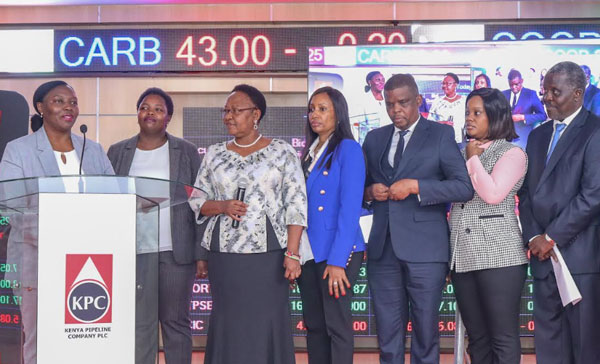
State-linked infrastructure group targets KSh68bn in annual revenue by 2030 as it seeks to capitalise on East Africa’s growing petroleum trade
Nairobi, Kenya | THE INDEPENDENT | Kenya Pipeline Company Plc is seeking to expand beyond its traditional business of transporting and storing petroleum products, targeting annual revenue of KSh68bn ($524.3mn) by 2030 as East Africa invests in new energy infrastructure and demand for regional fuel distribution grows.
The Nairobi Securities Exchange-listed company, in which Uganda holds a 21.22 per cent equity stake, reported profit after tax of KSh11.58bn ($89.3mn) for the financial year 2026, up 13 per cent from KSh10.24bn a year earlier.
Revenue increased 9 per cent to KSh43bn ($331.5mn), supported by a 7 per cent rise in domestic and transit petroleum volumes. Profit before tax reached KSh17.54bn ($135.2mn), in the company’s first full-year results since its privatisation earlier this year.
The results highlight the earnings potential of infrastructure that connects fuel imports and storage facilities to inland markets, particularly landlocked economies such as Uganda and Rwanda that depend on regional transport corridors for petroleum supplies.
“Despite a difficult operating environment characterised by global petroleum prices and supply volatility due to the Middle East crisis, KPC Plc has managed to grow its top line and bottom line while improving operating cost efficiencies,” acting managing director Pius Mwendwa said.
KPC operates about 1,342km of pipeline, alongside storage, pumping and loading facilities. Its cash generated from operating activities rose 34 per cent to KSh17.39bn ($134.1mn), while cash and cash equivalents increased 84.4 per cent to KSh20.54bn ($158.4mn).
The company’s next phase of growth is expected to depend on how effectively it uses that infrastructure to capture business beyond conventional pipeline transportation.
Integrated petroleum trading hub
Chairperson Faith Bett-Boinett said the board supported plans to establish an integrated petroleum trading hub at the Kenya Petroleum Refineries Ltd facilities in Kipevu, Mombasa. The proposed hub is intended to provide transhipment, bulk breaking, bunkering and re-export services to regional customers.
The strategy comes as East Africa seeks to strengthen its position in regional petroleum supply chains, with proposed investments including the Dangote East Africa Petroleum Refinery and Petrochemicals Special Economic Zone and upstream oil developments in South Lokichar.
“KPC Plc, through the resources at its disposal, is working to unlock untapped potential that enables diversification beyond pipeline operations into storage, re-export, Liquid Petroleum Gas (LPG), Liquid Natural Gas (LNG), biofuels, power generation and support of third-party petroleum market trading operations,” Bett-Boinett said.
She added, “KPC Plc assets are well positioned to enhance national energy security, support growing regional demand, and create potential additional future revenue streams.”
Eldoret-Kampala-Kigali pipeline
KPC also plans to extend its pipeline from Eldoret to Kampala and subsequently Kigali, reinforcing its position in markets that rely on Kenya’s port and fuel distribution infrastructure. Uganda’s 320mn-litre Kampala Storage Terminal is expected to complement the company’s regional expansion plans.
For Uganda, which holds a stake in KPC, the company’s investment decisions carry implications for cross-border energy logistics and the infrastructure supporting petroleum supply to the domestic market. The planned pipeline extension could also strengthen the commercial links between Kenya’s coastal import facilities and inland fuel markets, although the benefits will depend on project implementation, financing and regional demand.
KPC’s diversification ambitions are backed by a stronger balance sheet. Total assets increased 6 per cent to KSh149bn ($1.15bn), while shareholders’ equity rose 11 per cent to KSh119bn ($917.5mn). Borrowings declined 83 per cent to KSh442.86mn ($3.4mn), reflecting debt reduction during the year.
The company nevertheless expects fossil fuel storage and transportation to remain the foundation of its business, even as it explores alternative energy and trading activities. Its ability to deliver the revenue target will depend on whether new investments generate additional income without undermining returns from its established operations.
The board approved a first and final dividend of KSh5.9bn ($45.5mn), equivalent to KSh0.32 per ordinary share. The share register will close on November 30.