The Independent Uganda: You get the Truth we Pay the Price


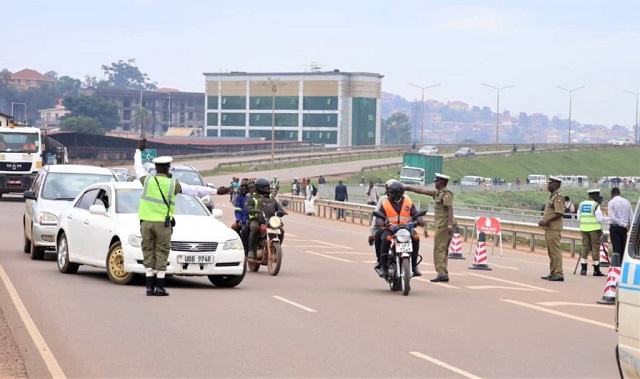
For a toll system to succeed in Kampala, public transportation must be improved by increasing bus frequency and reliability, improving road conditions, and expanding routes to underserved areas.
COMMENT | NANTEZA SARAH KYOBE | City tolls are fees charged for entering specific parts of the city to decrease traffic, reduce pollution, and fund infrastructure projects. I believe strongly that implementing a city toll system will be the solution to reducing traffic congestion that affects the capital Kampala, especially during the early hours when we go to work and late hours when we return home.
The idea of tolls isn’t new; many cities worldwide, including London, Stockholm, Singapore, and New York City, have successfully used tolls to reduce traffic congestion and improve urban living. Implementing tolls can encourage residents and visitors to choose alternative transportation options, supporting more sustainable choices like public transit, cycling, and walking.
Road tolls will surely help us better manage urban space. Sitting in traffic jams is costly, stressful, tiresome, and time-consuming.
It would be better if the Kampala Capital City Authority (KCCA) implemented tolls at all entry points into Kampala, such as Kajjansi on Entebbe Road, Kawanda on Luweero Road, Kyegera on Masaka Road, and Nasana on Hoima Road. This would not only improve traffic flow but also generate revenue that can be reinvested into public infrastructure like roads, clinics, toilets, parks, and recreational facilities.
Urban parks and recreational areas provide essential relief from city stress, giving residents places to relax, socialize, and participate in physical activities. These community spaces enhance quality of life and foster a sense of belonging and pride among residents.
However, for a toll system to succeed in Kampala, public transportation must be improved by increasing bus frequency and reliability, improving road conditions, and expanding routes to underserved areas.
A strong public transit system is key to reducing congestion, providing an alternative to private vehicles, which often contribute significantly to traffic. Luckily, road improvements are already underway, with some roads, such as Freedom City-Nyanama-Kitebe and Zana–Nyanama–Wakuluku, already completed.
Additionally, implementing tolls requires careful planning around several factors. First, transparency and fairness in toll collection are essential. Residents need clarity on how toll rates are set and how the funds are utilized. Public consultations and participatory budgeting can help engage the community in these decisions. Transparency about government spending builds trust and shows that the public benefits from the fees they pay.
It’s also important to recognize Kampala’s socioeconomic diversity. Tolls can unfairly impact lower-income residents who rely on private vehicles but may find it difficult to pay daily tolls. A tiered toll system could help, charging higher fees for larger, more polluting vehicles and reducing or exempting smaller and electric vehicles. This approach promotes fairness and encourages environmentally friendly transportation choices.
Another key factor is the technological infrastructure required for efficient toll collection. Modern toll systems typically use electronic methods such as RFID tags or license plate recognition to reduce delays and congestion caused by manual toll booths. Investing in these technologies can improve collection efficiency and traffic flow within and around Kampala.
In conclusion, I believe that if the Kampala Capital City Authority implements tolls, it would help address the city’s traffic and space challenges while generating funds to support public transit and sustainable infrastructure projects. Tolls will help ease traffic jams, reduce space constraints, and finance projects like roads and healthcare facilities, creating a more accessible and environmentally friendly urban environment. With strategic planning and proper execution, tolls can be a crucial tool to decrease traffic congestion while we wait for the construction of the standard Gurage Railway, another solution to traffic problems.
*******
 Nanteza Sarah Kyobe works with Uganda Media Centre