The Independent Uganda: You get the Truth we Pay the Price


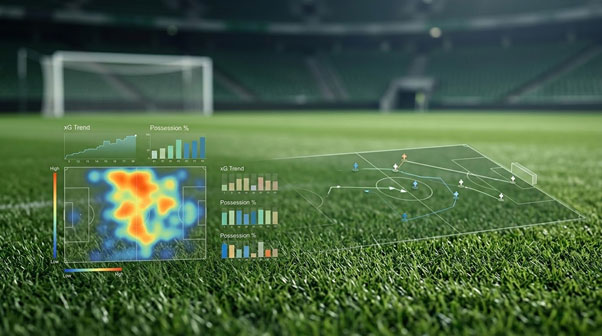
At the 2025 FIFA Intercontinental Cup in Qatar, an electronic tracking system used 16 optical cameras under the stadium roof and captured 29 data points per player 50 times each second. Officials used that stream for real-time offside alerts, while the same class of positional information allows analysts to examine movement, spacing and the location of the ball. A television picture shows where a player appears to be; tracking supplies coordinates at repeated intervals. The numbers do not replace the match.
The Vest and the Camera Have Different Jobs
FIFA groups current tracking technology into optical camera systems, local-positioning systems and GPS/GNSS wearables, each carrying different strengths and limitations. These systems primarily record player and ball positions, while connected accelerometers, gyroscopes and heart-rate monitors can add workload and physiological information. Coaches can use the resulting data to compare high-speed running, repeated efforts and recovery demands across training sessions and competitive fixtures without relying entirely on visual impressions. FIFA’s performance tests use Vicon motion capture and full-pitch reference methods because two trackers displaying the same metric do not necessarily measure it with equal accuracy.
Tactics Become Clearer When Space Is Measured
A league table shows outcomes, but positional data can reveal how a team produced them. Arsenal finished the 2025-26 Premier League season with only 27 goals conceded and 19 clean sheets, both league-leading defensive figures during its title campaign. Analysts can study the distance between defensive and midfield lines, the height of the back four and how quickly players recover their positions after possession is lost. A loose description such as compact defending can then be tested against repeated movement patterns rather than accepted because a team kept a clean sheet.
Betting Markets Read the Same Match From Another Angle
Supporters evaluating an upcoming fixture can borrow the same analytical logic without pretending to possess a club’s private performance database. Recent xG, shot locations, player availability, pressing output and home-away splits can test whether a market price fits the evidence, while older head-to-head results should lose weight after coaching or personnel changes. On the Melbet zambia site, a bettor can compare those observations with pre-match markets instead of treating league position as a complete prediction. The stronger process records why a model favors one outcome, then reduces the stake when lineup information or the available sample remains uncertain.
AI Has Moved Into the Analyst’s Room
FIFA and Lenovo announced Football AI Pro in January 2026 for all 48 teams at the World Cup, drawing on FIFA’s Football Language model and hundreds of millions of owned and organized football data points. The system can return validated analysis in text, video, graphs and 3D visualizations, with millions of data points generated around an individual game. FIFA deliberately restricts it to pre- and post-match analysis rather than live use, preserving a distinction between preparation and real-time coaching. AI can sort a larger evidence base; the analyst still has to decide whether the identified pattern belongs to the opponent, the score state, or a one-off match.
A Sportsbook Screen Can Become a Second Data Check
Live markets create another test because the price changes as goals, cards, substitutions, and game state alter the probability of the next event. A team protecting a 1-0 lead in the 75th minute is solving a different tactical problem from the one it faced at kickoff, even though its season averages have not changed during those 75 minutes. On Melbet, pre-match and in-play markets are paired with sports statistics and mobile access, according to the platform’s current materials. Used with restraint, that combination lets an audience compare the original forecast with the pattern appearing on the field rather than treating every possession swing as a new betting signal.
Standardization Is the Quiet Battle Behind Better Models
Tracking loses value when providers define speed zones, timestamps, or positional measurements differently. FIFA’s EPTS Standard Data Format page, updated on April 1, 2026, provides the first version of a format designed to make data from different systems comparable without requiring numerous separate APIs. Definitions matter. If two feeds define a sprint differently, check the measurement rules before comparing the players.