 The Independent Uganda: You get the Truth we Pay the Price


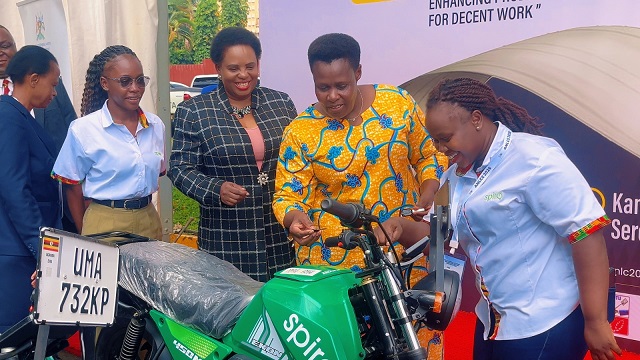
Kampala, Uganda | THE INDEPENDENT | Government leaders, employers, and development partners convened at the 4th Annual National Labour Convention and Expo 2026, held from April 15-16 under the theme “Unlocking the Potential of the Ugandan Youth Labour Force: Advancing Productivity and Opportunities for Decent Work.”
The gathering marked a renewed commitment to addressing youth unemployment and promoting inclusive economic growth.
It brought together key stakeholders from both the public and private sectors to explore practical ways of equipping young people with the skills, opportunities, and support needed to succeed in an increasingly dynamic labour market.
The Vice President of Uganda, Jessica Alupo, underscored the urgency of tackling structural barriers faced by youth, including skills mismatches and limited access to finance.
She noted that empowering young people with relevant skills and opportunities in sustainable industries is essential to transforming them from job seekers into active contributors to the economy while addressing one of the country’s most pressing challenges.
She also recognized Spiro’s growing impact in reshaping the employment landscape for many young Ugandans, highlighting stories of transformation where individuals have moved from uncertain futures into skilled roles supporting the country’s transition to electric mobility.
At the center of this effort is the Spiro Academy, which plays a key role in building a skilled workforce. Through partnerships with institutions such as Kyambogo University, Nakawa Vocational Training Institute, and Lugogo Vocational Centre, the academy provides hands-on training for graduates, preparing them to build and assemble electric motorcycles at the Namanve plant.
According to Bruce Mucunguzi, Deputy Country Director of Spiro Uganda, the program focuses on practical, job-ready skills that bridge the gap between education and employment.
The Namanve assembly plant stands as a growing hub of innovation, where Uganda’s electric boda boda industry is taking shape. With the capacity to assemble up to 450 electric motorcycles daily, the facility currently employs more than 1,800 young Ugandans across production and maintenance roles.
Their work not only supports their families but also contributes to the broader economy, positioning them as early drivers of green mobility on the continent.



The insights shared here are very relevant to today’s job seekers.
The employment landscape is changing, and adaptability is key.
You need to stay updated and apply consistently.
Online job portals make this process easier than ever.
I suggest exploring https://www.ugandajobssearch.com
.
It’s quite useful for tracking new job openings.