The Independent Uganda: You get the Truth we Pay the Price


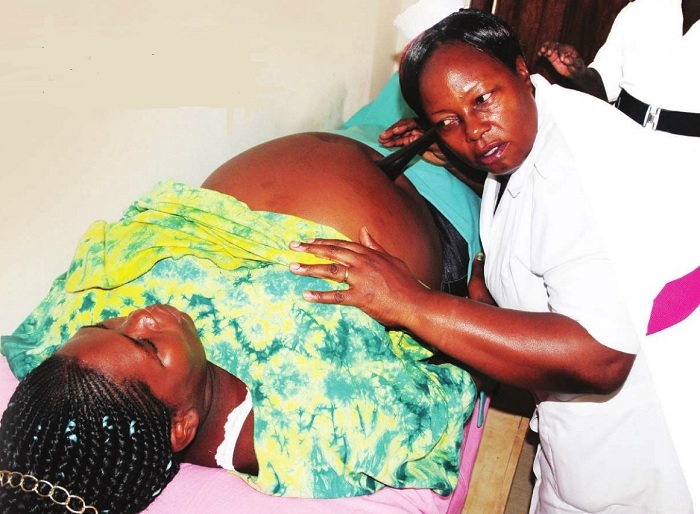
Kampala, Uganda | THE INDEPENDENT | Experts have cited delayed childbearing as one of the key factors behind the rising number of women diagnosed with reproductive system cancers, including cervical, endometrial, ovarian and uterine cancers.
Speaking at a meeting of gynaecologists to examine emerging trends and possible explanations for the increase in reproductive cancers in Uganda, Dr Walter Drake Erabu, a gynaecologic oncologist at the Uganda Cancer Institute in Gulu, said projections indicate that cervical cancer cases are expected to rise by 35.8 per cent by 2030.
While breast and cervical cancers continue to record the highest average annual increases, Dr Erabu noted that ovarian cancer is rising at an estimated 1.3 per cent per year, while uterine cancer is increasing by 1.0 per cent annually. He identified obesity and delayed first conception as major risk factors across all these cancers.
Further explaining the trend, Dr Othniel Musana, a specialist at St Francis Hospital Nsambya, said younger women face a double burden. He noted that many are diagnosed late, not necessarily because they delay seeking care, but because screening services in many health facilities are handled by lower-cadre health workers, who often mistake early cancer symptoms for common reproductive health conditions.
Acknowledging this as a serious gap, Dr Peter Kungu, a pathologist at Kawempe National Referral Hospital, called for a review of existing screening guidelines. He argued that the recommended age for cervical cancer screening should be lowered from the current 25 years.
Dr Kungu revealed that Kawempe Hospital is registering an increasing number of women with pre-cancerous lesions that can progress to cancer. He cited recent cases involving a 19-year-old and a 23-year-old woman.
The experts warned that government interventions must urgently be realigned with emerging realities in health facilities. Dr Kungu pointed out that Pap smear kits are not listed among essential medical supplies and are therefore not provided by the National Medical Stores, making screening services largely inaccessible to low-income women.
****
URN