The Independent Uganda: You get the Truth we Pay the Price


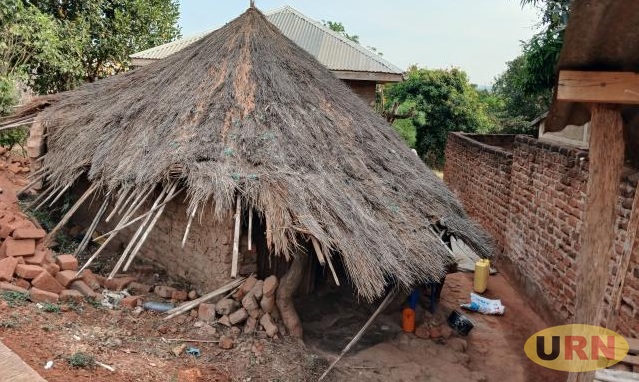
Kitgum, Uganda | THE INDEPENDENT | Every morning, 78-year-old Justino Okello sits alone on a wooden stool outside his grass-thatched hut in Oryang Ojuma B, in Labongo Amida Sub-County, Kitgum district, watching passersby head for their various activities.
Okello’s wife died 5 years ago, his four children, all girls, have been married off, and days often pass without anyone speaking to him. “I can stay the whole day without seeing any relatives. Sometimes I sleep without eating,” Okello said. And when evening falls, and families gather to recount their day’s events, Okello’s compound remains still.
Asked what life means to him now, Okello paused for a long moment. “Life now is about remembering…Remembering those who are not here and thanking God that I’m still alive,” he said.
He hopes his relatives and grandchildren could visit frequently, but he no longer expects much from them. “For now, I just take each day as it comes. My days come and end as quietly as they begin.” Okello’s situation reflects a growing but largely hidden crisis of old-age loneliness affecting many elderly people in Kitgum District, according to district officials and community workers.
Matthew Otto Abim, the chairperson of East Acholi Pensioners’ Association, said many elderly persons in the sub-region are struggling with loneliness. According to Abim, men suffer most during old age, whether or not they still have a wife or grandchildren.
“If you are lucky enough to have your children living nearby, you may receive some support. Even then, they are busy with their own families, and many elders are left neglected. Loneliness exists even within families where husband and wife still live together. Children often take their mother with them to help care for the grandchildren, leaving the old man alone.”
According to Abim, the situation is fair in the rural areas where there is still a semblance of communal life, but in the urban areas, it is worse.
“Many are left as just two: husband and wife. No grandchildren. No relatives. In villages, neighbours may visit, and you sit and chat. But in urban settings, you are often completely on your own.”
Abim blamed the hard life of elders on modernity, which he said has robbed the community, especially the elderly, of the ease of communal life and the joy they find in playing with and hugging their grandchildren.
“Children these days have been changed by so-called modernity. In the past, not only during Christmas, but also grandparents enjoyed peace and the comfort of playing with and embracing their grandchildren. We truly knew one another. Today, however, we are almost like strangers, because children are always in school.They leave very early and return very late. During holidays, many school programs also keep them busy. That is why aging at this time is terrible.”
James Okidi, the Community Development Officer (CDO) of Kitgum district, acknowledged that elderly people in Kitgum District are increasingly facing poverty, loneliness, and mental health challenges due to a lack of retirement planning, weak family support systems, and limited social protection.
Speaking during an interview with Uganda Radio Network (URN), Okidi said many older persons, particularly those who were never in formal employment, reach old age without pensions, savings, or reliable caregivers, exposing them to hunger, poor housing, and in some cases, suicidal thoughts.
“We are aware, and we know this is a very serious issue. Those who were in paid employment and planned well are relatively okay because they receive a pension or NSSF. But the majority, especially farmers and informal workers, did not build social security, and they suffer most,” Okidi said.
According to Okidi, Kitgum District currently has about 1,200 older persons enrolled on the government payroll under the Senior Citizens Grant, where each beneficiary receives Shs75,000 every three months.
However, Okidi warned that many elderly people remain unreached, especially those aged 60 to 79, who are not yet fully captured under national registration systems. He said the district lacks accurate data on the total number of older persons and those accessing pensions or grants.
Based on the 2024 National Population and Housing Census data for Kitgum District, the number of older persons (defined as aged 60 years and above) is approximately 12,979.
He also pointed to family neglect as a growing problem, worsened by economic hardship. Okidi said elderly men and women often live alone after losing spouses, while children struggle to provide care due to poverty. “In the past, families and communities took responsibility for older persons,” he said.
“Now every household is struggling on its own. Some elderly people are left without food, companionship, or care. That is why we see cases of depression and suicide.”
He said men, especially those who neglect their wives during their active years, suffer most when they return during old age.
He also warned that many civil servants die shortly after retirement due to poor preparation and a sudden loss of regular income.
According to Okidi, most retirees, besides being ill-prepared, meet an abrupt change in life and end up spending their gratuity badly by buying assets they cannot maintain, and within five a few years, the money is gone.
Okidi called for early retirement planning, savings, asset building, and the formation of associations for retirees and older persons to promote social interaction, exercise, and mental well-being. “We must start saving and preparing now. Aging is a big problem, and if we do not act early, many more will suffer in silence.”
Uganda is gradually aging, and with younger generations migrating to cities or abroad, older citizens are often left behind. Social protection schemes remain limited, leaving a vast number of elders without reliable support. Without urgent interventions, the quiet struggles of people like Justino Okello may become the defining reality of old age in Uganda.
Without stronger social protection and family support, the quiet suffering of Uganda’s elders may only deepen, leaving generations to wonder who will care for them in their later years.
****
URN