The Independent Uganda: You get the Truth we Pay the Price


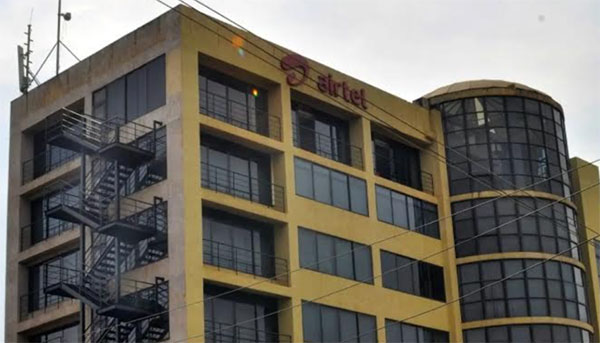
The proposed payout, subject to investor approval, follows a 29 per cent increase in net income to Shs 446.9 billion for the year ended December 31, 2025
Kampala, Uganda | THE INDEPENDENT | Telecom firm Airtel Uganda will pay shareholders a final dividend of Shs 3.55 per share, amounting to Shs 142 billion, after posting a sharp rise in annual profit — highlighting how surging data consumption is reshaping the economics of Uganda’s telecoms industry and boosting returns to investors.
The proposed payout, subject to investor approval, follows a 41 per cent increase in net income to Shs 446.9 billion for the year ended December 31, 2025, up from Shs 316.7 billion in 2024. Earnings per share climbed to Shs 11.2 from Shs 7.9 according to the company’s summary audited financial statements released last week.
The dividend signals confidence in the sustainability of earnings growth at a time when telecom operators across East Africa are navigating rising capital expenditure, regulatory oversight and intensifying competition. Airtel Uganda operates under the supervision of the Uganda Communications Commission, which continues to push for expanded connectivity and improved service quality.
Revenue rose 13.3 per cent to Shs 2.25 trillion in 2025, compared with Shs 1.99 trillion in the previous year. The bulk of that expansion came from data and value-added services, which generated Shs 1.10 trillion, up from Shs 899.7 billion in 2024. Voice revenue, including interconnect fees, increased more modestly to Shs 1.03 trillion from Shs 995.5 billion.
The figures highlight a structural shift. Data now accounts for nearly half of total revenue, reflecting deeper smartphone penetration, rising video streaming and mobile financial services usage among Uganda’s predominantly young population. For investors, the transition toward data is significant: these services typically offer higher margins and greater scalability than legacy voice products.
Network expansion
Operating profit increased 35 per cent to Shs 849.2 billion, lifting the operating margin to 37.7 per cent. The expansion came despite higher network operating costs, increased sales and distribution expenses and elevated depreciation charges following the addition of 258 new network sites.
Such capital intensity remains a defining feature of the sector. Airtel spent Shs 229.1 billion on property, plant and equipment and Shs 11.2 billion on intangible assets during the year as it strengthened coverage and digital capacity.
But the company’s cash generation appears robust enough to absorb that investment while still rewarding shareholders. Net cash generated from operating activities rose to Shs 1.01 trillion, up from Shs 880.0 billion in 2024.
Finance costs net of income increased to Shs 209.3 billion, largely due to interest on lease liabilities, though total market debt declined slightly to Shs 645.0 billion from Shs 653.5 billion the previous year. Leverage, including lease liabilities, stood at 1.5 times EBITDA, which management described as sustainable.
Assets remain robust
The balance sheet shows total assets rising to Shs 2.74 trillion, while equity strengthened to Shs 185.4 billion from Shs 142.5 billion, supported by retained earnings growth.
For shareholders, the dividend is more than a routine distribution. It reflects a broader strategic balancing act: funding network expansion and digital transformation while maintaining disciplined capital management.
The central question is whether Airtel can sustain margin expansion as competitive pressures intensify and regulatory demands evolve. Uganda’s telecom market remains fiercely contested, with operators racing to capture data-driven revenue streams and deepen customer engagement.
If data consumption continues its upward trajectory and cost controls hold, Airtel Uganda’s earnings profile suggests room for continued cash returns.