 The Independent Uganda: You get the Truth we Pay the Price


Kampala, Uganda | THE INDEPENDENT | The long-awaited announcement arrived on 2 December 2025 — a moment that Uganda’s tourism industry had been yearning for since 2023. The United Kingdom officially lifted its travel advisory against Queen Elizabeth National Park and Semuliki National Park, ending more than two years of restrictions that had quietly eroded British arrivals to Uganda’s western safari circuit. As news spread through the sector, relief turned into celebration; for many operators, this was not merely an administrative update, but the beginning of a long-overdue recovery.
For British travellers, the update from the Foreign, Commonwealth & Development Office (FCDO) means much more than a green light. It restores the validity of travel insurance, opens up the full range of tour itineraries, and provides reassurance that two of Uganda’s most iconic conservation areas are once again open for adventure. For Uganda’s tourism businesses — from lodge owners and guides to community groups and car rental agencies — it represents a lifeline.
The UK’s former advisory had been introduced following an isolated incident in 2023, even as on-the-ground security had stabilised soon after. While visitors from other international markets continued to travel freely around Uganda, the British government remained the last major source market to maintain restrictions. Industry leaders repeatedly emphasised that the advisory did not reflect the realities of daily life in the country. Uganda, well-known for its hospitality, has remained one of East Africa’s safest destinations, hosting more than a million visitors annually and supporting hundreds of thousands of jobs.
The impact of the advisory, however, was real. Tourism contributed approximately US$1.28 billion to Uganda’s economy in 2024 and supported more than 800,000 jobs. But with British travellers — historically a strong and reliable market — staying away, many businesses reported sharp declines in bookings, postponed Uganda travel plans, and reduced revenues. In some areas bordering the national parks, where conservation initiatives depend heavily on tourism, the slowdown was deeply felt.
A Turning Point for the Industry
It is little wonder that the lifting of the advisory has been met with resounding approval.
Amos Wekesa, founder and CEO of Great Lakes Safaris, called the announcement a “Christmas miracle,” describing it as a pivotal moment following months of advocacy. “This decision follows countless engagements with President Museveni, the British High Commissioner to Uganda, Lisa Chesney, and Uganda’s Mission in the UK led by Patricia Kabuleta,” he said.
Wekesa, one of the industry’s most vocal figures, has long argued that government advisories must be contextualised and regularly reviewed to avoid unnecessary harm to local economies.
For Wekesa and others, the update signals the restoration of confidence among UK travellers — a crucial factor as the industry moves into the peak tourism season.
The African Tourism Board also applauded the UK for reassessing its advisory. Chairman Cuthbert Ncube highlighted that such travel warnings are often triggered by isolated incidents that do not represent long-term risk. “I am happy the UK Foreign Office corrected this advisory,” Ncube said, noting that Uganda’s membership in ATB’s marketing initiatives across the United States and Germany will further help rebuild momentum.
United Kingdom negative travel advisory
In September this year, we met up with President of Uganda, British high commissioner and Patricia Kabuleta represented our mission in the UK.
We discussed the impact of the negative travel advisory on tourism and general business… pic.twitter.com/ClribYkdC1
— Amos Wekesa (@wekesa_amos) December 2, 2025
Local Operators Celebrate a Long-Awaited Shift
Beyond major organisations, the news reverberated powerfully among small and medium-sized tourism operators, many of whom rely heavily on British visitors.
Kayima Ashiraf, proprietor of Car Rental in Uganda expressed overwhelming joy: “This is the news we were longing for. The British are among the travellers who visit Uganda the most — this is a great stride for the tourism sector.” For car rental companies that serve independent travellers, self-drive adventurers, and long-stay visitors, the return of British tourists is particularly significant.
The relief is echoed across the board — from safari guides eager to return to full schedules, to lodge owners in Semuliki and Queen Elizabeth National park who have endured years of unpredictability. The advisory had not only discouraged new bookings; it had also forced tour operators to reroute or redesign itineraries that typically relied on the western Uganda circuit.
Why Context Matters in Travel Advisories
Part of the frustration within the Ugandan tourism sector stemmed from the nature of government advisories themselves. While essential for public safety, they often appear more severe than conditions on the ground. As many in the industry point out, advisories tend to remain in place long after risks have subsided. For travellers unfamiliar with East Africa, such warnings can be confusing — often mixing outdated information with sensational headlines.
“Travel advisories can look daunting — even when the situation on the ground is calm,” noted Charlotte from Kampala-based travel writer, whose long-running blog documents the everyday realities of Uganda. She emphasises that Uganda is one of the friendliest and most welcoming nations to visit, adding that she has travelled independently across the country for more than a decade without incident. Her message reflects a sentiment widely shared among expatriates and Ugandans alike: safety concerns must be contextualised, not sensationalised.
Rediscover Queen Elizabeth and Semuliki National Parks
The lifting of the advisory also opens the door for travellers to rediscover two of Uganda’s most remarkable protected areas most especially in the Rwenzori Region.
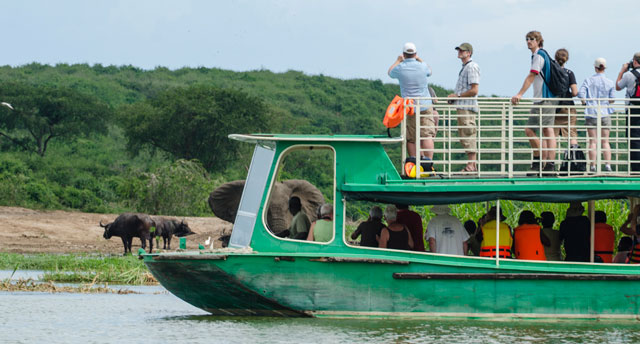
The vast Queen Elizabeth National Park, stretching 1,978 square kilometres across the Albertine Rift, is arguably Uganda’s most diverse landscape — a mosaic of savannah, wetlands, forests, and crater lakes. Iconic locations such as the Mweya Peninsula, Kasenyi Plains, Maramagambo Forest, and the Ishasha sector draw wildlife enthusiasts from around the world. The Kazinga Channel, with its vast populations of hippos and African fish eagles, remains one of Africa’s most spectacular wildlife experiences.
Semuliki National Park, tucked beneath the Rwenzori Mountains, offers something entirely different. A birder’s paradise, it is the only place in Uganda to encounter several central African species. Its famed Sempaya hot springs and sweeping views over the Rift Valley make it a hidden gem for adventurous travellers. Conservationists and birding experts who monitor the park emphasise its ecological importance — and its immense potential for sustainable tourism.
The Gains of the Travel Warning Lift
With the UK’s advisory now lifted, tourism stakeholders expect a swift rebound in bookings. British travellers, many of whom postponed their trips during the advisory period, are already signalling a renewed interest in safaris, birding expeditions, and community tourism experiences.
For Uganda, this moment represents more than a return to business as usual. It is a reaffirmation of trust — trust in the country’s security, its tourism offerings, and the countless people who make the industry possible. The hope across the sector is clear: that with stability restored and confidence renewed, Uganda’s parks will once again welcome the vibrant flow of visitors who play such a vital role in supporting conservation, communities, and the broader economy.
As Makonzi Micheal, one safari operator from Go Gorilla Trekking Ltd, put it shortly after the FCDO announcement: “Uganda has been ready for a long time. Now the world can come back.”



Read my full blog post, referenced above:
“Is Uganda safe to visit in 2026?
What travellers need to know” on Diary of a Muzungu | Uganda and East Africa Travel Podcast and Blog.