The Independent Uganda: You get the Truth we Pay the Price


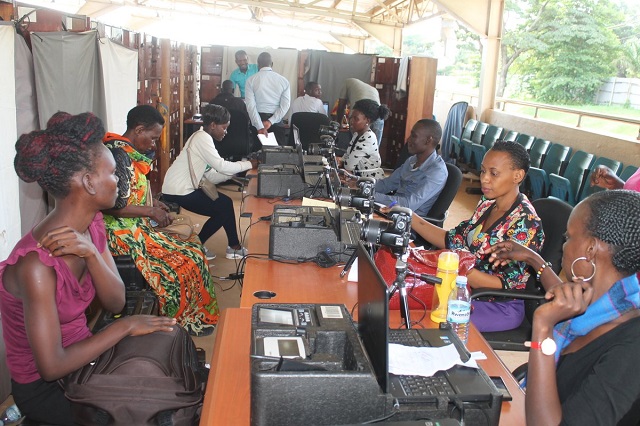
Kitgum, Uganda | URN | Residents in Kitgum District are calling for the decentralisation of national identification services to sub-counties to reduce the distance and costs involved in accessing National Identification and Registration Authority (NIRA) services.
The residents say the current arrangement, where they are required to travel to designated registration centres to access or collect national identification documents, is costly and inconvenient, particularly for people living in remote areas.
John Odong, a resident of Buluji Village Laber Parish in Lagoro sub county, said decentralising the services would make it easier for residents to access their identification documents without repeatedly travelling more than 30 kilometers to the municipality office.
“For someone coming from a distant sub-county, collecting a national ID is not easy,” Odong said. “You have to spend money on transport to come to Kitgum Municipality and, if you do not get the service that day, you may be forced to spend again.”
Mercy Alimocan, a resident of Akadojwat Village, Gule Parish in Orom Sub county, said that taking the services closer to communities would particularly benefit elderly people and others who cannot easily afford transport to district centres.
“The cost of travelling to Kitgum to collect a national ID is too high for ordinary people like us,” Alimocan said. “Some of us must leave our homes early and spend money on transport, yet the same ID could be delivered to the sub-county.”
Michael Okello, the chairperson LCIII of Lagoro sub- county, said that residents intending to collect their national ID spend between shs 30,000 to shs 40,000 each time they travel to the municipality, and more if they fail to get it on the first attempt.
Okello, said the residents and leaders in the sub county have agreed that each willing person would pay shs 500 to facilitate the transportation of the NIRA officials to take the National Identification Cards to the sub counties, to cut the costs.
Habib Abubakar, the Chief Administrative Officer of Kitgum, said they would engage the responsible authorities on the possibility of allowing trusted local government structures to support the distribution or collection of national identification documents.
Abubakar argued that the local leaders could potentially be entrusted to help people access their documents, similar to arrangements used during previous registration exercises.
NIRA is reportedly holding about 5.4 million newly printed national identity cards that citizens have yet to collect.
While appearing before the Committee on Commissions, Statutory Authorities and State Enterprises (COSASE) on Monday, NIRA Executive Director Rosemary Kisembo, attributed the inertia mainly to inadequate permanent staffing.