The Independent Uganda: You get the Truth we Pay the Price



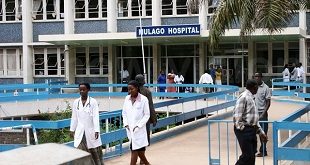
Gulu, Uganda | URN | Gulu Regional Referral Hospital management has pledged sweeping reforms in healthcare service delivery following serious allegations of patient neglect, arrogance, and mistreatment by some staff.
The commitment was made during a community baraza held on Thursday at the hospital premises in Gulu City. The meeting convened by the hospital management aimed to bridge the gap between the community and hospital leadership while addressing persistent challenges affecting service delivery.
Patients in attendance, however, shared painful testimonies of poor care, citing neglect, unprofessional conduct, and lack of empathy from some health workers.
Palmer Alum, 31, from Wii Lacic village in Bobi sub-county, Omoro District, recounted a traumatic experience at the hospital’s maternity ward. She said she was abandoned by a midwife while in active labour on November 28, 2025.
According to Alum, despite her desperate pleas, the midwife allegedly told her that her shift had ended, and she abandoned her to deliver herself unassisted.
“In the process of trying to help myself, my baby suddenly came out and fell into a basin, hitting his head, with the placenta still wrapped around his neck,” she said tearfully. Alum fears the fall may have caused lasting harm to her child.
“Since then, he has never cried; doesn’t show signs of hunger; and sleeps most of the time unless I forcefully wake him,” she added.
Although she says she has forgiven the midwife, Alum blames the incident for her baby’s condition. She now visits the hospital every two weeks for therapy for her three-month-old son.
Another patient, Lydia Ayoo, described a frustrating experience at the children’s ward. She said she was asked to seek a Complete Blood Count (CBC) test from a private facility despite having only 20,000 shillings.
“When I returned with the results, the doctor was busy on his phone and didn’t explain anything to me. He only gave me ORS without telling me what my child was suffering from,” she said.
Ayoo added that although her child was supposed to be admitted, she returned home due to concerns about mosquito exposure. On returning the next morning, she found the same doctor, who referred her elsewhere without communication.
Irene Atim, a peasant farmer, highlighted the impact of language barriers and excessive smartphone use by health workers during consultations. She noted that many patients struggle to communicate because they do not speak English, while some key health workers do not understand Luo.
Atim also raised concerns about frequent drug stock-outs, forcing patients to purchase expensive medications from private clinics even when some of those drugs are available in the hospital’s private wing.
Other issues raised included alleged extortion by staff, especially in surgical theatres; shortages of essential drugs for sickle cell and hypertension patients; understaffing; and poor infrastructure.
In response, hospital management acknowledged the concerns and pledged to take corrective action.
Dr Peter Mukobi, the hospital’s Senior Executive Consultant, assured the community that reforms would be implemented within six months.
“The next step is to sit down and plan for the suggestions you have given us. Trust me, when you return in six months, you will begin to see changes,” he said.
He urged the community to prioritize preventive healthcare measures, including proper nutrition and regular medical checkups, to reduce pressure on the facility.
Hospital Principal Administrator Walter Uryek-Wun apologized on behalf of the institution, acknowledging reports of corruption, negligence, and patient mistreatment. He actually revealed that some staff refer patients to private clinics for personal gain through commissions and urged the public to report such cases
Uryek-Wun added that management has taken steps to curb staff negligence, including restricting internet access, installing of bio-metric machines to register staff attendance on duty, and using CCTV to monitor critical departments.
Other measures include the introduction of a client satisfaction survey to assess staff attitude and client satisfaction with their services and strengthening the reward and sanction committees to address general complaints.
Built in 1934, the hospital currently serves an estimated 500 patients, both in the Outpatient Department and in-Patient on a daily basis despite its limited staff. The facility has a staffing structure of 1,273 but only 378 are on duty.