The Independent Uganda: You get the Truth we Pay the Price


Entities, suppliers urged to treat procurement as a vehicle for delivering sustainable development
Kampala, Uganda | NEWS CORRESPONDENT | Procuring entities have been urged to place local content at the center of Uganda’s growth strategy to ensure that public expenditure translates into broader domestic wealth creation.
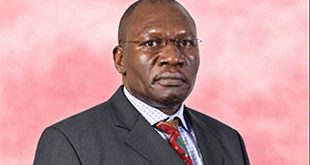
Speaking on the role of procurement in national development, the Executive Director of the Public Procurement and Disposal of Public Assets Authority (PPDA), Benson Turamye, said Uganda’s ambition to achieve tenfold economic growth will depend not only on the scale of public investments but also on whether those investments generate meaningful opportunities for Ugandan businesses, workers and communities.
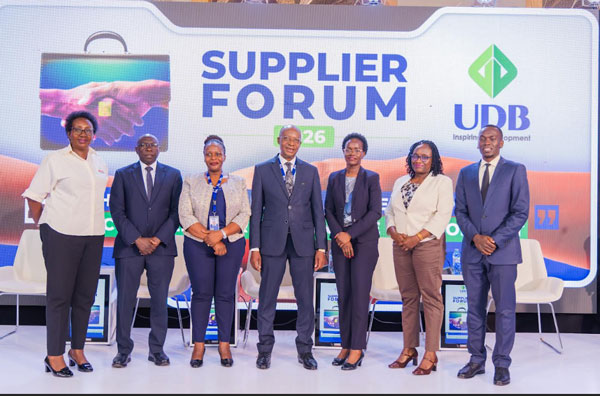
Turamye was speaking Friday in a keynote address delivered during a Suppliers’ Forum organized by Uganda Development Bank (UDB) at Four Points by Sheraton in Kampala. The forum was held under the theme “Enhancing Supplier Engagement in Public Procurement for Sustainable Development”.
He emphasized that public procurement is not a compliance exercise buried in tender notices and bid documents, but rather a vehicle through which Uganda will achieve its sustainable development ambitions.
He noted that “sustainable development is the destination, supplier engagement is the bridge, and procurement is the vehicle that gets you there.” He added “A good procurement gives you a good supplier, and a good supplier delivers sustainable development; we are therefore all beneficiaries.”
Highlighting what falls short of that standard, he cited infrastructure projects that leave communities worse off, with roads built without regard for the people living along their path, drainage that floods gardens, or borrow pits that are left open to breed mosquitoes long after construction crews have moved on.
The forum sought to create a platform through which UDB can improve bidder responsiveness, promote inclusivity and strengthen sustainability in its procurement processes.
Dr. Patricia Ojangole, Managing Director, Uganda Development Bank, said the forum is both timely and consequential, noting that it is a reminder that procurement is not simply an administrative process.
“At UDB, we recognize and regard our suppliers not merely as contractors or vendors but as strategic partners. Every project delivered, every system implemented, every facility maintained, every service rendered contributes to the bank’s ability to finance enterprise growth, strengthen the productive sectors that we support and improve livelihoods across Uganda,” she said.
She reiterated that effective procurement is a catalyst for resilient value chains, local enterprise development and responsible private sector participation in Uganda’s economic transformation. “This ambition can only be realised through a supplier community that is capable, competitive and aligned to the highest standards of integrity and performance.”
The forum featured a panel discussion by industry experts including Doreen Tiberonda, Deputy Director Procurement and Disposal, KCCA; Gloria Tuhaise Wakooba, Director of Procurement and Disposal, Bank of Uganda; John Saturday, Manager Procurement and Disposal Unit, Electricity Regulatory Authority; Ronald Tumuhairwe, Manager Local Content, PPDA; and Catherine Natukunda, Manager Procurement and Disposal Capacity Building, PPDA.
According to PPDA, at least 65 percent of Uganda’s national budget is directly spent through procurement, contributing about 15%-20% of GDP in Uganda consistent with the average spend of 17 percent of GDP which the World Bank says African governments spend on procurement of public goods, works, and service contracts.
The forum comes as several trends are reshaping procurement on the African continent, among them; open contracting principles to drive transparency; professionalisation of procurement through dedicated training institutions and certification programmes; a push for deliberate local content; and green and sustainable procurement.
Suppliers that attended the forum acquired valuable nuggets on; the procurement regulatory framework; proactive engagement during bid process; honest self-assessment; compliance; submission discipline; the rights and obligations of bidders and procuring entities, among others.