The Independent Uganda: You get the Truth we Pay the Price


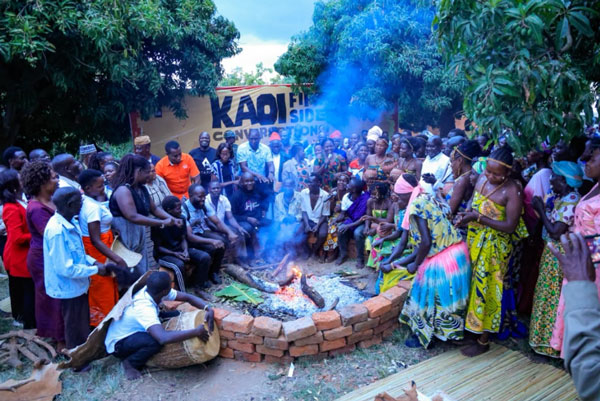
Nebbi, Uganda | THE INDEPENDENT | The Alur Kingdom, the traditional cultural institution for the Alur people in Nebbi District, has called for the restoration of youth fireplace gatherings to help reduce teenage pregnancy in the district.
Locally referred to as Kaoi Pa Aradu, which translates to “The Youth Fireplace”, the gatherings are a traditional method used to discuss moral growth, relationships and sexuality.
They are organised in a manner where elders and young people sit around a fireplace in the evenings and engage in meaningful conversations.
However, owing to cultural erosion, Kaoi Pa Aradu is no longer widely practised. According to the kingdom, this loss of traditional spaces for intergenerational dialogue has contributed to the continued prevalence of teenage pregnancies in the district.
Speaking at a youth fireside held at Kaal Pawong Palace in Alur Kingdom, the Deputy Prime Minister and Executive Director of Alur Kingdom, Prince Ochaya Orach Vincent, underscored the relevance of the firesides in addressing teenage childbirth in the area.
The fireside, dubbed “Kaoi Fireside Conversations,” is an initiative of the Protect SRHR project implemented by a consortium of civil society organisations, including Reach A Hand Africa, the International Rescue Committee, Humanity and Inclusion and World Vision supported by the Embassy of the Kingdom of the Netherlands.
The Kaoi Fireside Conversations, presided over by Chief Rwoth Justino Opar, the Chief of Pawong Chiefdom in Alur Kingdom, was held under the theme, “Culture, Identity and Power to Shape Young People’s Future.”
The engagement was held on September 22, 2026, with Prince Ochaya making the remarks on behalf of Chief Rwoth.
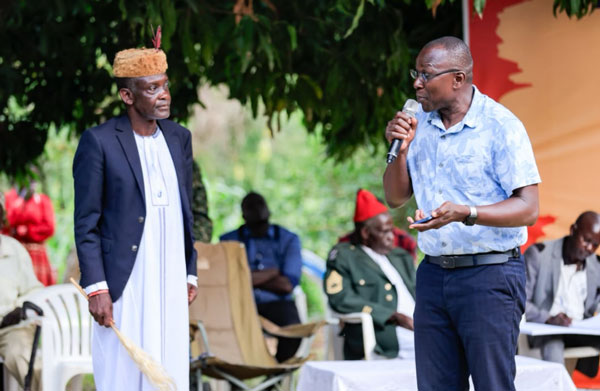
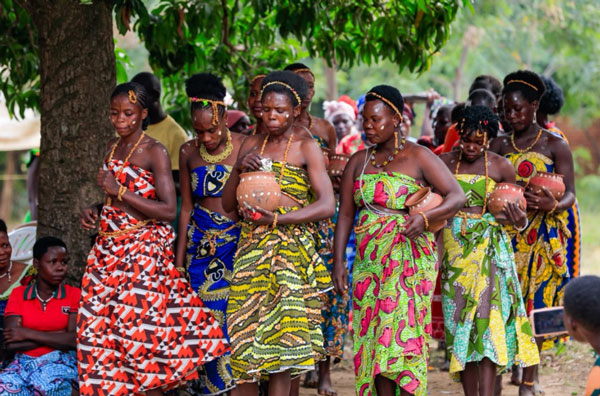
Other dignitaries present included Owachgiu Donald, Assistant Resident District Commissioner, and Japierwo Ronnie, LC III Chairman of Central Division, Nebbi District, among others.
Prince Ochaya said youth fireplace gatherings help shape and strengthen the family, which remains a starting point for addressing childbirth among young people.
“A session like this one allows us to speak to young people together with their parents,” he said, calling for the revival of the engagements.
“We are saying, let’s engage. Let’s keep this going. This is what we can do. It is part of our everyday life, and we can do it.”
He added: “Kaoi has a thematic area for us to be able to reach out, address issues, and engage people in this area.”
Prince Ochaya argued that, unlike today, traditional gatherings encouraged one-on-one conversations with young people. These spaces allowed elders to openly discuss issues such as sex education, relationships and behaviour with young people.
He attributed the loss of such spaces to cultural erosion, which he said has contributed to challenges including teenage childbirth.
“Actually, if we can have even more of it, I can tell you I have all 56 chiefdoms that would benefit from Kaoi,” he emphasised.
Prince Ochaya’s remarks were anchored on the persistent teenage pregnancies in the district, a concern that speakers at the Kaoi Fireside Conversation also highlighted.
Chairman Japierwo said the gathering was a reminder of how such traditional engagements once brought communities together.
“It reminds us of the story of those days. It is also interesting when you bring groups together because nowadays young people are influenced by current technology. So it is better to have these conversations,” he said.
He said such engagements previously helped address behaviour, which contributed to lower levels of teenage pregnancy.
According to him, on average, at least two per cent of girls become pregnant every year across the six schools in Central Division in Nebbi District.
Albert Ongom, Reach A Hand Africa’s Programme Officer in Nebbi District, said teenage pregnancy remains a significant concern in the district and is also linked to increasing HIV risks.
He said the engagement was intended to understand how communities around Kaal Pawong traditionally handled issues affecting young people and what lessons could be drawn from those practices.
He also pointed to issues that emerged during the discussion, including parental neglect and the exclusion of persons with disabilities from conversations around sexual and reproductive health and rights.
However, for some young people, the challenge is not simply the absence of conversations with parents but also how those conversations are approached.
Onyuthi Brian, a youth participant, said some young people find it difficult to listen to their parents because of the manner in which some conversations are handled.
He said parents sometimes return home after drinking and speak to their children in a harsh or confrontational manner, which makes young people reluctant to engage with them.
According to the 2022 Uganda Demographic and Health Survey, 23.5% of girls aged 15– 19 had already begun childbearing, with 18.4% having had a live birth and 5.1% pregnant with their first child.
Even more concerning, the proportion has remained largely unchanged for more than 15 years, fluctuating between 24% and 25% between 2006 and 2022. The survey also found that by age 16, one in every 10 girls aged 15–19 had begun childbearing, rising to almost four in 10 by age 18.