The Independent Uganda: You get the Truth we Pay the Price


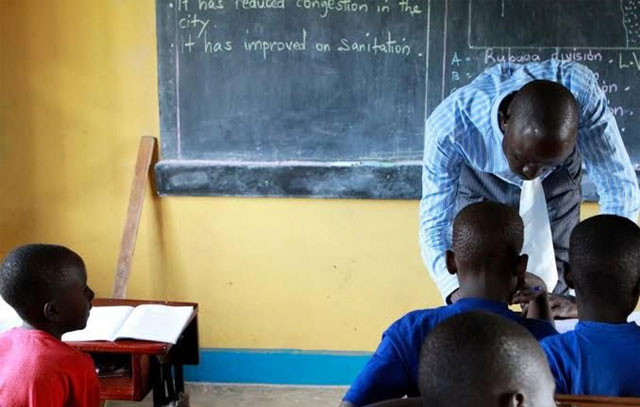
Agago, Uganda | URN | Teachers in 110 government-aided primary schools in Agago District have been warned against sending learners home over their parents’ failure to pay Parent-Teacher Association (PTA) contributions.
The warning is part of a district-wide sensitisation campaign launched to clarify the difference between the government’s Universal Primary Education (UPE) programme and voluntary school contributions, amid concerns that disputes over payments could discourage enrolment and contribute to school dropouts.
Agago Resident District Commissioner James Nabinson Kidega launched the campaign at Ngora Primary School in Agago Town Council. Kidega said the district had received alerts before the reopening of schools that some schools were demanding PTA payments from parents, raising fears that children whose parents cannot afford the contributions could be denied access to education.
He said the government provides a UPE grant of Shs20,000 per learner to support schools and warned teachers against involving children in disputes over PTA contributions.
He said parents remain free to agree on contributions to support their schools, but such arrangements should not interfere with a child’s right to attend classes. Kidega said the district was seeking to clarify the relationship between UPE funding and PTA contributions so that parents and teachers understand how the funds should be collected without affecting learners.
“Nobody is saying there is nothing that parents can contribute. But how do you protect the child whose money has been sent, whether it is little? That is what we want to explain to you,” he said. The district’s intervention comes as Agago continues to struggle with low school attendance.
Recently, the district chairperson, Wilson Otto, said at least 51,815 children were out of school in the second term. Kidega said authorities would conduct headcounts in schools to establish the actual number of learners and compare the figures with school records. He urged parents to send their children back to school and said authorities would also monitor places where children are likely to spend school hours, including markets, video halls and gardens.
Meanwhile, PTA teachers raised concerns that ending or reducing parent contributions without addressing their welfare could affect their ability to support learning in government schools. Cosmas Otto, a PTA teacher at Patongo Primary School, said teachers were worried that some parents might stop contributing to school funds, leaving schools struggling to meet basic needs.
“I am worried that maybe for these few months left, parents may not be able to pay some of the money,” Otto said. Lawrence Awila, another PTA teacher at Patongo Primary School, said delayed payments and poor welfare of teachers were affecting morale and could ultimately undermine school performance.
He said some teachers had experienced salary delays and difficulties arising from payroll problems, while PTA teachers at the school were also not receiving agreed facilitation. Awila said parents and teachers at Patongo Primary had agreed to provide a Shs40,000 facilitation allowance for teachers, but the money had not been consistently paid.
He urged district authorities to prioritise teacher welfare, saying motivated teachers were essential to improving learners’ performance. The district leadership said the sensitisation campaign would continue in the 110 government-aided schools as authorities seek to reconcile government UPE funding with voluntary contributions agreed upon by parents.