The Independent Uganda: You get the Truth we Pay the Price


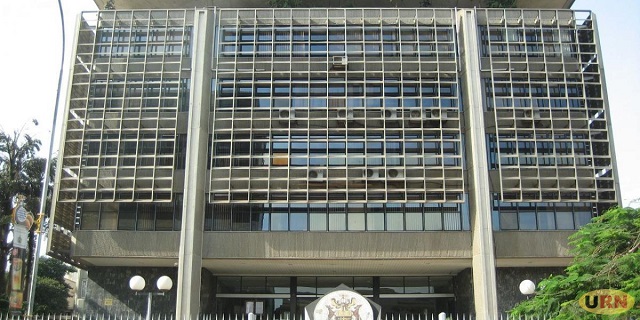
Kampala, Uganda | THE INDEPENDENT | The Bank of Uganda (BoU) has kept interest rates high despite falling inflation and a strong shilling, citing uncertainty about future risks. The Central Bank Rate (CBR) has remained at 9.5 per cent since August 2023, defying expectations of a cut following improved economic indicators.
The rate is the BoU’s main tool for guiding the cost of money in the economy, influencing bank lending and ultimately helping to control inflation.
The Monetary Policy Committee says the current stance remains appropriate to support economic activity while ensuring inflation stays close to the target in the medium to long term, especially amid persistent global uncertainty.
Inflation has remained below the 5 per cent medium-term target, supported by prudent monetary policy, coordination with fiscal authorities, a stable exchange rate, easing global inflation, and favourable food and energy prices, according to Governor Michael Atingi-Ego.
Headline inflation rose slightly to 3.2 per cent in January 2026, up from 3.1 per cent in December 2025, driven by higher prices in some core components, although this was partly offset by lower food crop inflation. Core inflation also increased to 3.3 per cent in January 2026, from 3.1 per cent previously, largely due to higher services inflation, particularly in passenger air transport.
The inflation outlook has been revised slightly downward compared to the November 2025 forecast, reflecting modest appreciation of the Shilling and lower international oil and food prices. Inflation is projected to remain below target in 2026, within the range of 3.8 to 4.3 per cent, before stabilising around the target over the medium to long term. However, the Governor cautions that Uganda remains vulnerable to external risks, including global economic shocks and climate change.
On the exchange rate, Deputy Governor Augustus Nuwagaba says the strength of the Uganda shilling against the US dollar and other currencies, especially during the election period, surprised many observers.
He attributes this performance to a favourable investment climate and investor confidence, which have sustained inflows into government securities such as bonds, helping to strengthen the Shilling.
Additional foreign exchange inflows from exports, including coffee, cocoa, tourism, and labour remittances, continued to rise despite the election period.
Governor Atingi-Ego adds that while strong export earnings have improved the balance of trade, the country faced significant pressure in 2022, when many foreign investors exited due to high interest rates, weakening the shilling.
He notes that the return of investors, supported by market stability and sustained economic growth, has helped revive the foreign exchange market. As a result, Foreign Direct Investment rose to USD 3.5 billion.
****
URN