The Independent Uganda: You get the Truth we Pay the Price


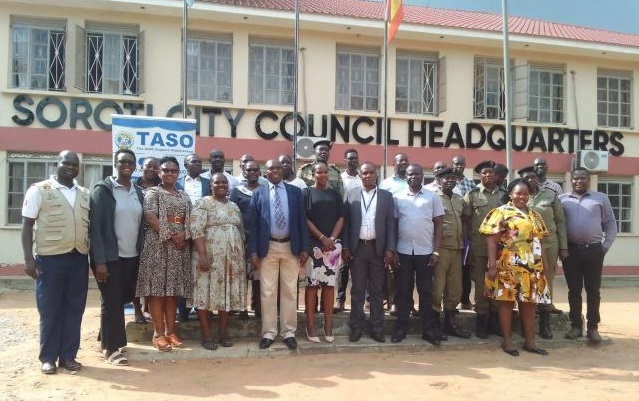
Soroti, Uganda | URN | A new multi-agency initiative to curb rising HIV/AIDS infections has been launched in Soroti City, targeting adolescents and young people amid growing concern over high transmission rates in the area.
The intervention, spearheaded by the Ministry of Health, the Uganda AIDS Commission, and the AIDS Support Organisation (TASO), focuses on reversing alarming trends, particularly among adolescent girls and young women aged 10 to 24, who remain the most affected group.
Recent data has identified Soroti as an HIV hotspot, with prevalence estimated at 11.3 per cent, more than double the national average of 4.9 per cent. The statistics raised fears of further escalation if urgent measures are not taken.
Speaking during an orientation meeting, the Soroti City HIV focal person, Isaac Ekelot, underscored the urgency of the response, noting that although prevalence has slightly declined over time, infection rates remain unacceptably high among vulnerable populations.
He explained that a structured action plan has been developed to guide implementation from the city level down to divisions, wards, and the six town councils, ensuring a coordinated and inclusive approach.
The initial phase of the program will focus on training stakeholders and profiling young people to better understand their risk levels and specific needs, an essential step in designing targeted and effective interventions.
Core services under the initiative will include HIV testing, sexual and reproductive health education, and preventive measures such as pre-exposure prophylaxis (PrEP), aimed at addressing key drivers of new infections while empowering young people with knowledge and protection tools.
Ekelot also urged adolescents to take personal responsibility for their health by knowing their partners’ HIV status, consistently using condoms, and considering abstinence, particularly for those not yet sexually active.
Dr Maureen Kwikiriza of the Uganda AIDS Commission said the initiative aligns with the national goal of eliminating HIV/AIDS as a public health threat by 2030 through a coordinated, multisectoral approach.
She emphasised that the strategy brings together stakeholders across health, education, community leadership, law enforcement, as well as cultural and religious institutions, with local authorities taking the lead in identifying priorities.
Kwikiriza stressed that strengthening existing community structures, such as local leaders and Village Health Teams, will be key to ensuring sustainability and effectiveness, rather than creating parallel systems. The program will further deliver tailored interventions based on individual risk profiles, ensuring that services are relevant, responsive, and impactful.
Supported by TASO in partnership with the Global Fund, the pilot will be implemented in Soroti City and Namayingo District, with lessons learned expected to inform a nationwide scale-up.
Health officials remain optimistic that the initiative’s focus on coordination, local ownership, and targeted service delivery will significantly reduce new infections and improve the overall well-being of young people, marking a critical step forward in Uganda’s fight against HIV/AIDS.