The Independent Uganda: You get the Truth we Pay the Price


COMMENT | NANTEZA SARAH KYOBE | As the election season approaches, there has been an increase in public participation, indicating healthy democratic engagement. However, this growth has also led to a surge in misinformation, especially on digital platforms, which can rapidly spread false narratives and conspiracy theories.
Misinformation can diminish public confidence in elections and cause unnecessary panic, especially when citizens mainly rely on social media for updates.
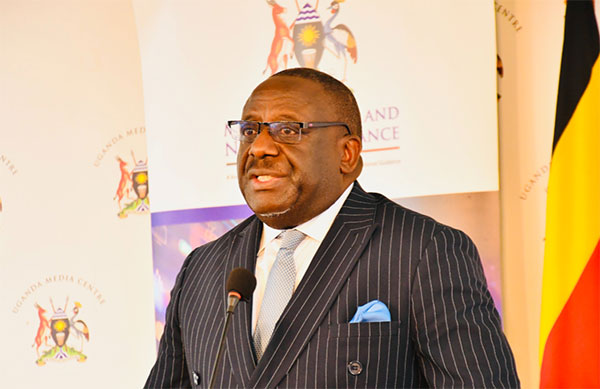
One prominent claim circulating online is that the government plans to shut down the internet during elections. The Permanent Secretary of the Ministry of ICT and National Guidance, Amina Zawedde, has now clarified that there are no plans for an internet shutdown, as she aimed to reduce public anxiety caused by such rumours.
Zawedde stressed that claims about an internet shutdown are false and misleading, which can create fear and undermine public trust during a critical time. This situation underscores the importance of media literacy, encouraging citizens to distinguish credible sources from those spreading false information.
Nyombi Thembo, the Executive Director of the Uganda Communications Commission, has also stated that the government will inform the public if an internet suspension becomes necessary, confirming he has not received any orders to prepare for such a shutdown.
Additionally, Thembo expressed concern about media responsibilities, such as live reporting of violent protests or broadcasting election results not officially released by the Electoral Commission. He reiterated that journalists must verify information before sharing it to ensure responsible reporting. This includes providing context and considering the potential impact of the news on public sentiment.
The Ministry of ICT and National Guidance is dedicated to promoting access to information and responsible media use, especially in areas with limited internet connectivity. Civil society organizations play a vital role in helping the public navigate the digital landscape and advocate for improved digital access policies.
Information and communication technologies (ICTs) are crucial for democratic participation, particularly during elections, where misinformation can significantly influence voter behaviour and perceptions.
The ICT Ministry, working with the Uganda Communications Commission, has prepared the media sector for the upcoming elections through training programs and workshops aimed at improving the quality of election-related reporting.
Engaging with broadcasters and media stakeholders seeks to enhance professionalism, ethical standards, and accountability in election coverage. Nationwide awareness campaigns will also use radio and digital platforms to promote these objectives.
Promoting ethical journalism is especially important in today’s digital age, where differentiating between opinion and fact can be challenging. Journalists have the responsibility not only to inform but also to educate the public on critical thinking regarding news content.
Responsible media coverage during elections is vital for maintaining peace, public order, and national stability. Media should not be used to incite violence or spread misinformation, and individuals exploiting media for personal gain, should not be tolerated.
The upcoming elections present an opportunity to reaffirm democratic values and ensure that responsible media engagement, technology, and public participation collaborate to strengthen society. The responsibility rests with both individuals and institutions to cultivate a well-informed public, enhancing transparency, integrity, and accountability in the democratic process.
*******
 Nanteza Sarah Kyobe works with Uganda Media Centre