The Independent Uganda: You get the Truth we Pay the Price


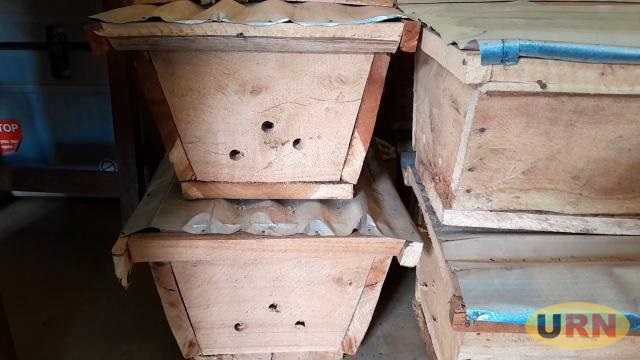
Busia, Uganda | URN | Residents of Busia are unknowingly consuming adulterated honey mixed with molasses, raising serious public health concerns and undermining the local honey market.
Molasses, a byproduct of the sugar refining process, is increasingly being used by unscrupulous traders to dilute pure honey. While it is cheaper and readily available, experts warn that excessive consumption of molasses-laced honey can pose health risks, especially for vulnerable individuals.
Residents say the honey sold by roadside hawkers is often darker, overly thick, and lacks the natural taste and medicinal value associated with pure honey. Many report that it no longer serves its traditional purposes, such as relieving coughs in children.
Humphrey Abangi, one of the area residents, said many people in the community use honey as a traditional remedy for ailments such as tuberculosis, but the adulterated products are compromising its effectiveness. He urged authorities to take decisive action against traders dealing in substandard honey.
Auma Jane Mary, a resident of Nangwe Village, said that the honey sold by hawkers is unusually dark and has a strong molasses taste, making it unsuitable for medicinal use.
Athanasius Mugerwa Tanna, the Busia District Acting Entomology Officer, confirmed that the district has received multiple complaints from residents about adulterated honey on the market. He added that laboratory tests conducted on samples obtained from hawkers showed that some products contained up to 60 per cent molasses.
Health experts caution that molasses, when consumed in large amounts, can lead to gastrointestinal issues such as bloating, gas, and stomach cramps. It can also cause spikes in blood sugar levels, increasing the risk of conditions such as diabetes and heart disease.
In some cases, it may trigger allergic reactions, including itching, hives, and breathing difficulties. Additionally, high potassium levels in molasses can result in hyperkalemia, while sulfites used during processing may cause respiratory complications in sensitive individuals.
The influx of cheap, adulterated honey is also hurting genuine bee farmers, as the low prices offered by hawkers distort the market and reduce demand for authentic, locally produced honey.
Mugerwa advised residents to avoid buying suspiciously cheap honey and encouraged simple home testing methods. He explained that placing a drop of honey on plain paper can help determine its purity; if the paper becomes wet underneath, it is likely adulterated with molasses.
He added that while the district continues to train local beekeepers on proper honey production practices, it lacks the capacity to effectively regulate and enforce standards against hawkers selling substandard products. He called on the Uganda National Bureau of Standards (UNBS) to intervene.
Moses Okurut, the Busia Municipality Principal Health Inspector, said authorities are planning to intensify enforcement operations. He noted that hawkers will be required to register, and their products will be sampled and tested to verify their quality. He warned residents against consuming uncertified honey, stressing that products mixed with molasses can be harmful to human health.
According to Okurut, molasses is essentially a waste product from sugarcane processing and is primarily used in industries such as brewing, not for direct human consumption in large quantities.
Godfrey Ongwabe, the National Chairperson of cross-border traders, attributed the influx of adulterated honey to traders, particularly Maasai hawkers, from neighbouring Kenya who reportedly enter Uganda through porous border points. He called on UNBS to strengthen enforcement and protect consumers from harmful products.
Victoria Namutebi Wamala, a Senior Communications Manager at UNBS, urged the public to report suspected cases of substandard goods to enable timely intervention by surveillance teams. She emphasised that all honey products on the market must bear a valid quality mark, warning that selling uncertified or adulterated products is a violation of the law.
*****
URN