 The Independent Uganda: You get the Truth we Pay the Price


COMMENT | CAROLYNE MUYAMA | On February 28, 2026, the United States and Israel carried out military strikes against Iran, accusing Tehran of developing a nuclear weapons programme. In a dramatic turn of events, Iran’s Supreme Leader, Ayatollah Ali Khamenei, was killed in the attack. Within hours, tensions across the Middle East had soared, and global markets began to shake.
Washington called the strike a preventive measure to curb nuclear proliferation. Tehran has consistently denied developing nuclear weapons, claiming its nuclear program is for civilian energy purposes. However, for Israel, Iran’s nuclear ambitions have long been perceived as a threat to its very existence. The United States has also accused Iran of destabilizing the region for years. These longstanding tensions did not emerge overnight, but the recent strike has pushed them into dangerous territory.
While the missiles fell thousands of miles away, by Monday morning, conversations in Kampala had already shifted. The talk was no longer just about politics. It was about fuel prices.
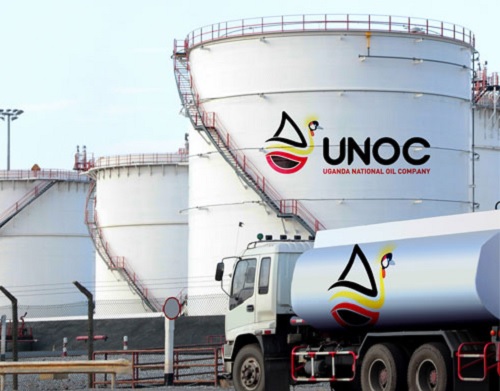
Uganda imports approximately 2.96 billion litres of fuel each year, with 95 per cent transported through Kenya. Despite UNOC’s 20.15% stake in the Kenya Pipeline Company, Uganda remains a price taker in a market it does not control. As global crude prices climbed toward $100 per barrel following the strike, the pressure was immediate. Taxi drivers, boda boda riders, and transporters were the first to feel it, and passengers will inevitably share the burden.
Fuel affects everything. The truck carrying matooke from Mbarara or onions from Bugisu factors in higher pump prices. Those costs end up at the market stall in Kampala. With domestic oil production from Tilenga and Kingfisher projects still months away, Uganda remains vulnerable to global shocks, especially when they originate from one of the world’s most sensitive energy corridors.
Uganda’s position as Africa’s leading coffee exporter is also vulnerable. About 67 per cent of our coffee goes to Europe, particularly Italy and Germany. Any instability in Middle Eastern shipping routes, especially around the Strait of Hormuz, drives up global shipping insurance and freight costs.
When vessels from Mombasa are forced to take longer routes, transportation costs rise significantly. These added expenses don’t just disappear; they move back down the supply chain. The farmer in Masaka or Kapchorwa might eventually receive a lower farm-gate price. It serves as a painful reminder that our export earnings partly rely on stability in a distant waterway many Ugandans may never see.
There is also a human side to consider. Thousands of Ugandans work in the Middle East, sending back an estimated $500 million in remittances each year. Construction workers, domestic workers, and hospitality staff rely on regional stability. Any slowdown in Gulf economies quickly leads to less money being sent back home.
Behind every remittance is a family, school fees paid, rent cleared, and food on the table. When conflict disrupts jobs abroad, it creates silent anxiety in homes across Uganda.
Manufacturing in Uganda is another weak point. Many factories rely on imported machinery, spare parts, and raw materials from Asia and Europe. Disruptions to shipping schedules and rising freight charges force manufacturers to make hard choices: absorb the cost, increase prices, or pause production.
Textile mills in Jinja, pharmaceutical companies in Kampala, and steel processors supplying construction projects all feel the squeeze. Delays in materials can slow infrastructure work and raise project costs, just as the economy had begun to regain momentum.
The crisis also exposes weaknesses within the East African Community. Kenya, Tanzania, and Rwanda face similar pressures, yet coordinated regional responses remain limited. Discussions on deeper integration continue, but practical joint mechanisms to manage supply chain shocks remain lacking.
At the same time, this moment offers an opportunity. Uganda could pursue stronger regional cooperation, whether through strategic petroleum reserves, joint shipping negotiations, or increased use of alternative ports. Such initiatives require political will, but the benefits would go beyond this single crisis.
As a landlocked country, Uganda’s vulnerability extends beyond fuel and coffee. Higher freight costs increase the prices of imports like machinery, medicine, electronics, and industrial inputs. Longer shipping routes lead to longer wait times and higher prices across various sectors.
The effects may seem distant, but they appear in everyday places: the spare parts shop on Luwum Street, the drug supplier serving Mulago, the small mobile money kiosk handling daily transactions. Global shocks quietly influence daily life.
This crisis serves as a reminder of how interconnected the world has become. Conflicts between global powers start with missiles, but their effects spread through markets. For many Ugandans, the impact of the Iran strikes won’t be felt in Tehran or Washington. It will be experienced at fuel stations, food markets, taxi parks, and money transfer centers.
Uganda cannot control global wars, but it can boost its resilience by speeding up domestic oil production, creating strategic fuel reserves, diversifying export markets, and strengthening regional cooperation. In a world where distant conflicts quickly become local issues, being prepared is no longer optional. It is essential.
*****
 Carolyne Muyama works with the Uganda Media Centre


Excellent article. Thank you.