The Independent Uganda: You get the Truth we Pay the Price


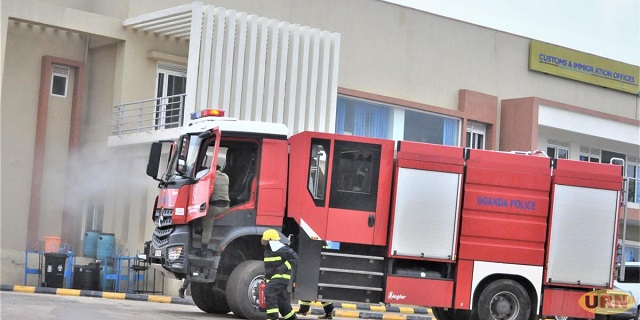
COMMENT | MOSES MUGALU | The charred remains of Katwe Market tell a story no entrepreneur ever wants to live through. After the devastating fire on the night of March 15, 2026, hundreds of traders woke up to a harsh reality: years of hard work reduced to rubble in a matter of hours. Twisted metal, burnt merchandise, and silent stalls now stand where bustling businesses once thrived.
For many, the loss goes beyond property. It is the collapse of livelihoods, dreams, and the ability to start again. Yet amid the smoke and sorrow, one message is becoming impossible to ignore – disasters do not discriminate, but preparation can make all the difference.
Across Kampala’s markets, thousands of small businesses operate on a fragile foundation. Their capital is tied up in stock, tools, and daily cash flow. When disaster strikes, everything disappears at once. This is what experts call the “total loss trap”. Without a financial cushion, traders are left with no way to rebuild.
The Katwe fire has exposed just how vulnerable many entrepreneurs are. It has also reignited an urgent conversation about insurance—not as a luxury, but as a necessity. For years, scepticism has kept many Ugandans away from insurance. A common belief persists – that insurers collect premiums quickly but delay or deny claims when disaster strikes.
Industry data tells a different story. In 2024 and 2025 alone, insurers paid out hundreds of billions of shillings in claims. The majority of disputes, regulators say, arise from incomplete disclosure or claims made outside policy coverage—not refusal to pay legitimate claims.
In fact, mechanisms exist to protect policyholders. The Insurance Regulatory Authority (IRA) operates a complaints bureau to resolve disputes and ensure fairness. The reality is clear: when policies are properly understood and followed, insurance does pay.
Modern insurance solutions for small businesses now go beyond basic fire coverage. Comprehensive packages include protection against burglary, damage to portable equipment, public liability, employee-related risks, and even loss of money. For traders, this means protection not just from one disaster but from multiple threats that could cripple a business.
It is a shift from reactive recovery to proactive security. In the aftermath of incidents like the Katwe fire, time becomes critical.
The process is straightforward but often misunderstood: ensure safety and notify authorities immediately; inform the insurer as soon as possible. This means even before full losses are known, document damages through photos and records, provide supporting documents such as police reports, assessors then work with affected traders to establish the value of lost goods.
It helps when one uses secondary records where necessary. Once verified, compensation is processed to help business owners restart. For those covered, recovery can begin within days. For those without, rebuilding may take years; that is, if it happens at all.
Another deeply rooted misconception is that insurance is only for the rich. In reality, it is the most vulnerable who need it most. Small and medium-sized businesses are the backbone of Uganda’s economy. When they collapse, the ripple effects are felt across families, communities, and the nation. Insurance acts as a stabilizer. It allows entrepreneurs to take risks, grow their businesses, and recover when the unexpected happens.
With insurance penetration still hovering around 1%, Uganda stands at a crossroads. The Katwe tragedy could either reinforce fear—or spark change.
Financial experts argue that shifting public perception is critical. Insurance is not a gamble. It is a safety net. And in moments like these, when everything else is uncertain, that safety net can mean the difference between starting over—and starting from nothing.
As traders sift through the ashes in Katwe, the lesson is painfully clear, hope alone is not a strategy. Preparation is!
Insurance may not stop fires from happening. But it can stop them from ending lives’ work. And for Uganda’s entrepreneurs, that assurance is no longer optional. It is essential.
******
 Moses Mugalu | Marketing and Communications Head ICEA LION