The Independent Uganda: You get the Truth we Pay the Price


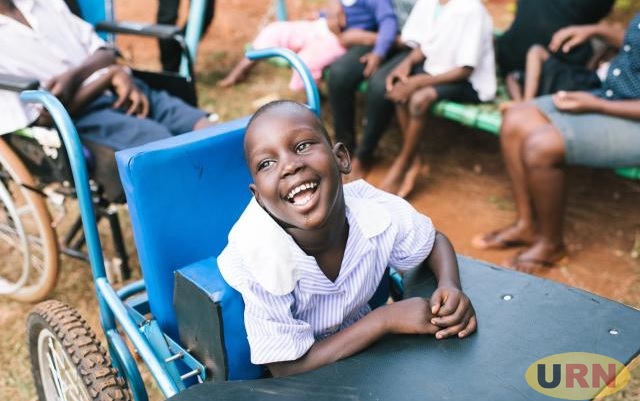
Kampala, Uganda | URN | In many Ugandan communities, the birth of a child with a disability is met not with celebration, but with silence—a silence rooted in stigma, superstition, and limited medical knowledge. According to the UBOS 2024 National Population and Housing Census, approximately 13.2% of children aged 2 and above live with a disability, many of whom face neglect and exclusion.
“Children with disabilities are first of all stigmatized in most of their communities, and even in their families,” says a representative from Ekisa Ministries, a Buikwe-based organization dedicated to changing this narrative. “They are left behind, locked indoors, and denied basic medical care. We are here to say they are just as valuable as any typical child.”
The challenges are systemic. UBOS data shows that children with disabilities are among the most vulnerable groups in Uganda, often overlapping with the country’s 2.9 million orphans. In rural areas, disabilities are still linked to witchcraft or curses, and even among professionals, ignorance persists. Ekisa Ministries reports that they often have to re-educate medics on conditions like Cerebral Palsy, the most common neurological condition in the country, affecting over 655,000 Ugandans.
The stigma creates a “two-home” reality within households: while typical children are clothed and sent to school, children with disabilities are frequently pushed into labor or kept out of classrooms entirely, part of the 20.2% of vulnerable children identified by UBOS. For years, the default solution for families unable to cope was to send children to institutions. Ekisa Ministries is challenging this practice through a process they call gatekeeping.
“The best place for a child to grow up is in a family,” the organization emphasizes. “Unless there is absolutely no other option, why not embrace that child?” Shifting from residential care to community-based programs, Ekisa aims to address systemic gaps highlighted by the government. In the past year, 19 at-risk children were referred to them; through social worker intervention, all were kept within family units, either by educating biological parents or tracing extended relatives.
Yet troubling numbers remain. UBOS reports that over 192,000 children have “unknown parental status.” Among Ekisa’s current residents, 19 children remain on-site with no immediate path home; 12 are completely untraceable, while the rest require complex medical care, such as constant oxygen, unavailable in their rural homes.
The ministry’s ultimate goal is to create a Uganda where community networks and government social registries provide the primary safety net. “Organizations can close at any time,” the representative said. “We want to see a future where, when a child is born with a condition, the family isn’t quick to shun them, but quick to find a care solution. Acceptance starts at home. If a family accepts them, the neighborhood will follow.”
****
URN