The Independent Uganda: You get the Truth we Pay the Price


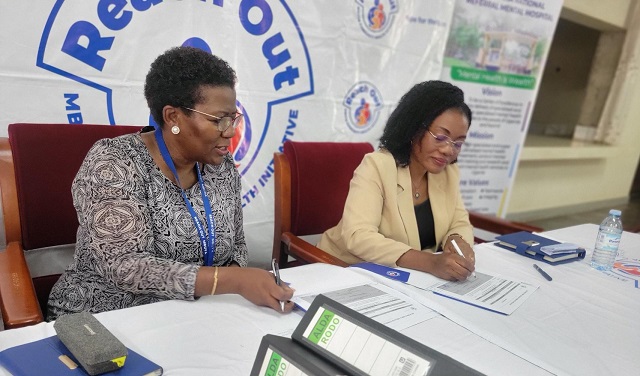
Kampala, Uganda | URN | Butabika National Referral Mental Hospital has taken over a critical addiction treatment programme for people who inject drugs, following the withdrawal of donor funding that had sustained it since 2020, raising concerns about continuity of care for hundreds of patients. The treatment, known as Medically Assisted Therapy (MAT) or Opioid Agonist Therapy, uses medicines such as methadone and buprenorphine to manage addiction among injection drug users. It had been implemented by Reach Out Mbuya (ROM) with support from the United States government.
However, ROM officials say they have struggled to sustain the programme for the 928 clients enrolled after funding from the US Centers for Disease Control (CDC) was withdrawn last year. James Wanyama, a Prevention Advisor at ROM, said before the rollout of the programme, an assessment had identified 312 hotspots of injection drug users in Kampala. He added that while the Ministry of Health had earlier estimated 3,837 users, the number had risen to 5,818 by 2020.
Wanyama noted that the programme has registered significant success, with more than 300 clients stopping injection drug use, reducing their risk of HIV infection, and improving their social and economic well-being. He emphasized that integrating the service into government systems is critical to ensure continuity of care, especially as more than 100 people seek treatment daily. At the handover on Tuesday, Butabika Hospital Executive Director Dr Juliet Nakku said the programme will be integrated into the hospital’s alcohol and drug use treatment unit.
Dr Byamah Mutamba, a senior psychiatrist at Butabika, said there is a need for a clear public communication strategy to explain the treatment, noting that it is specific to opioid addiction and does not apply to other forms of substance abuse, such as alcohol. Meanwhile, concerns remain over the sustainability of similar services elsewhere in the country. A related clinic at Mbale Regional Referral Hospital is reportedly on the verge of collapse following the same funding cuts.
Dr David Masaba, who heads psychiatry at the hospital, said services were disrupted after a stop-work order by the US government in January 2025 led to the termination of staff running the clinic. He noted that of the 104 patients previously enrolled, some have since relapsed due to a lack of continued treatment.
Masaba stressed that sustaining the programme will require the government to recruit specialized personnel, as the treatment involves careful administration of controlled opioid medicines. Dr Nakku also highlighted the high cost of the programme, calling for studies to establish the cost of treating each patient, noting that the medicines are expensive and the service must be provided daily throughout the year.